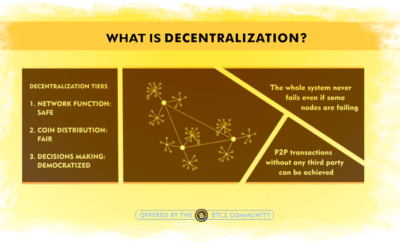
What is Decentralization?
Decentralization is the process of distributing and dispersing power away from a central authority. In the world of cryptocurrencies, decentralization plays a critical role in many aspects. Some of them are safety, security and their very philosophy which has inspired their creation.
Understanding Decentralization
Core Concepts
- Distribution of power
- No central authority
- Community governance
- Shared responsibility
Key Aspects
- Network decentralization
- Development decentralization
- Governance decentralization
- Mining decentralization
Benefits of Decentralization
Security Benefits
- No single point of failure
- Attack resistance
- System resilience
- Data redundancy
Social Benefits
- Equal participation
- Fair opportunity
- Community control
- Transparent operation
Implementation Areas
Network Level
- Distributed nodes
- Peer-to-peer connections
- Global distribution
- Network redundancy
Mining/Validation
- Distributed mining
- ASIC resistance
- Fair rewards
- Geographic distribution
Governance
- Community voting
- Open development
- Transparent decisions
- Collective management
BitcoinZ’s Approach
True Decentralization
- No company control
- Community governance
- Fair launch
- No premine
Technical Implementation
- ASIC-resistant mining
- Distributed development
- Open source
- Community funding
Challenges and Solutions
Common Challenges
- Mining centralization
- Development centralization
- Governance issues
- Resource distribution
BitcoinZ Solutions
- ZHash algorithm
- Community development
- Democratic governance
- Fair distribution
Maintaining Decentralization
Ongoing Efforts
- Regular updates
- Community engagement
- Transparent processes
- Fair participation
Future Considerations
- Evolving threats
- Technology updates
- Community growth
- Sustainable development
Decentralization remains a core principle of BitcoinZ, ensuring that the cryptocurrency stays true to the original vision of financial freedom and equality.