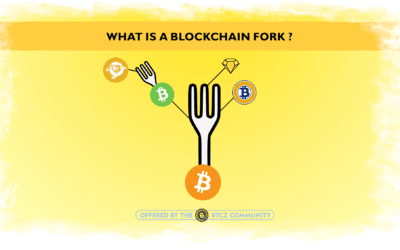
What is a Fork?
A cryptocurrency fork is a critical update to a network’s protocol that makes existing rules either valid or invalid. Sometimes this procedure may result in “independent” and new versions of a cryptocurrency. Usually with the “Fork” definition we mean a hard fork.
Types of Forks
Hard Forks
- Incompatible protocol changes
- Creates new chain
- Requires full upgrade
- Results in two chains
Soft Forks
- Backward compatible
- Single chain continues
- Optional upgrade
- Maintains compatibility
Reasons for Forks
Technical Improvements
- Protocol upgrades
- Bug fixes
- New features
- Security enhancements
Community Decisions
- Governance disputes
- Vision differences
- Economic changes
- Policy updates
Impact of Forks
Network Effects
- Chain splits
- Community division
- Asset duplication
- Market impact
User Implications
- Wallet updates
- Asset management
- Exchange support
- Trading opportunities
Fork Management
Technical Aspects
- Node updates
- Wallet compatibility
- Network security
- Chain selection
Community Aspects
- Communication
- Consensus building
- Update coordination
- Support transition
BitcoinZ’s Approach
Fork Policy
- Community-driven decisions
- Technical necessity
- Backward compatibility
- Clear communication
Implementation
- Careful planning
- Community involvement
- Technical testing
- Coordinated deployment
Best Practices
For Users
- Stay informed
- Update software
- Secure assets
- Follow guidelines
For Developers
- Clear communication
- Technical documentation
- Testing procedures
- Support resources
Understanding forks is crucial for participating in cryptocurrency networks and making informed decisions during network upgrades.