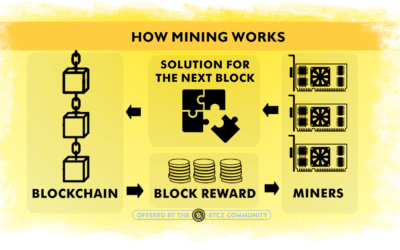
What is Proof of Work (PoW)?
In a cryptocurrency network, the users send each other digital coins. A decentralized ledger gathers all the transactions into blocks. However, the confirmation of the transactions and the arrangement of blocks are necessary. Proof-of-Work, or PoW, is the consensus algorithm that makes this possible.
How Proof of Work Functions
Transaction Verification
- Miners collect pending transactions
- Group them into blocks
- Compete to solve a mathematical puzzle
- First to solve gets to add the block to the chain
The Mining Process
- Requires computational power
- Consumes electricity
- Difficulty adjusts automatically
- Ensures consistent block times
Security Features
- Makes tampering extremely expensive
- Requires majority of network power to attack
- Provides immutable transaction history
- Prevents double-spending
Benefits of PoW
Security
- Proven track record since Bitcoin’s launch
- Most tested and trusted consensus mechanism
- Requires significant investment to attack
Decentralization
- Anyone can participate with proper hardware
- No minimum stake requirement
- True permissionless system
Fair Distribution
- New coins distributed to miners
- Rewards effort and investment
- No initial coin ownership required
PoW in BitcoinZ
BitcoinZ uses a specialized version of PoW called Zhash:
- ASIC-resistant algorithm
- Promotes decentralization
- Allows GPU mining
- Fair distribution of rewards
Environmental Considerations
While PoW consumes energy, it’s important to note:
- Incentivizes renewable energy use
- Can utilize excess/stranded energy
- Provides valuable security service
- More efficient than traditional banking system